
For a brand born in the redwood forests of Santa Cruz, California, sustainability is part of the very heart and soul of the company.
Employee‑owned and deeply rooted in the outdoors, Ibis Cycles has always believed that the products people use to explore nature shouldn’t come at nature’s expense. Since its founding in 1981, Ibis has helped define modern mountain biking through innovation, craftsmanship, and a healthy dose of irreverence.
As Ibis pushed boundaries in bike design and domestic manufacturing – including carbon bikes produced using solar power – one part of the experience needed to catch up to the rest: packaging. Shipping their high‑end, mostly assembled bike traditionally meant foam, plastic wrap, and zip ties that protected the bike in transit but produced a pile of waste that bike shops were left to deal with.
Ibis knew there had to be a better way, so they went in search of a solution that matched their values.
When Packaging Becomes Part of the Product
In the cycling world, as in many industries, packaging is often treated as an afterthought, essential for getting the product from the factory to the shop using packing materials that are easily available and proven to work.
But Ibis also saw that their packaging could be a form of communication.
Every box that arrives at a bike shop sends a message. Either it says “deal with this mess,” or it says “we care.”
Bike shops were clear about what they wanted:
- Less plastic and foam
- Faster assembly
- Easier recycling
- Fewer dumpsters filled with unrecyclable waste
At the same time, Ibis was working toward shipping bikes up to 75% assembled, reducing labor time for dealers while preserving shipping efficiency. That combination — sustainability, protection, assembly, and cost — made packaging design a complex engineering challenge.
Bubble wrap wasn’t going to cut it.
A Values‑Aligned Partnership
Ibis didn’t need a traditional packaging vendor. They needed a partner willing to rethink the entire system from the ground up.
That’s where Atlantic Packaging, and its sustainability initiative, A New Earth Project — came in.
From the first conversations, the alignment was clear. Instead of negotiating compromises, both teams approached the project from the same side of the table, asking:
How do we eliminate single-use plastic without sacrificing performance?
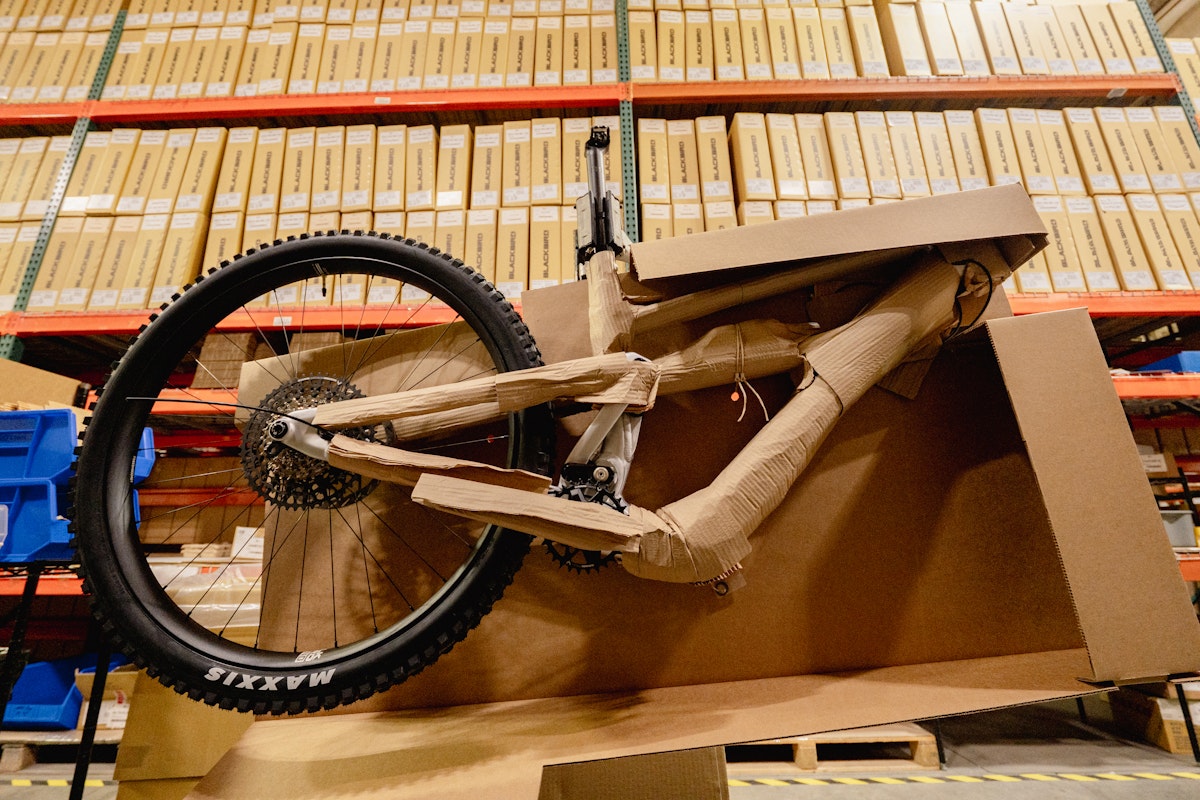
Together, the teams designed a fiber‑based, curbside‑recyclable packaging system engineered specifically for a mostly assembled mountain bike. Corrugated structures were thoughtfully designed to cradle the frame, isolate critical components, and withstand vibration and drop testing, all without foam or plastic fillers.
One of the smallest — and most symbolic — changes was also one of the most powerful.
Replacing the Zip Tie
Zip ties are everywhere in bike packaging. They’re cheap, strong, nearly impossible to avoid, and they’re almost always thrown away.
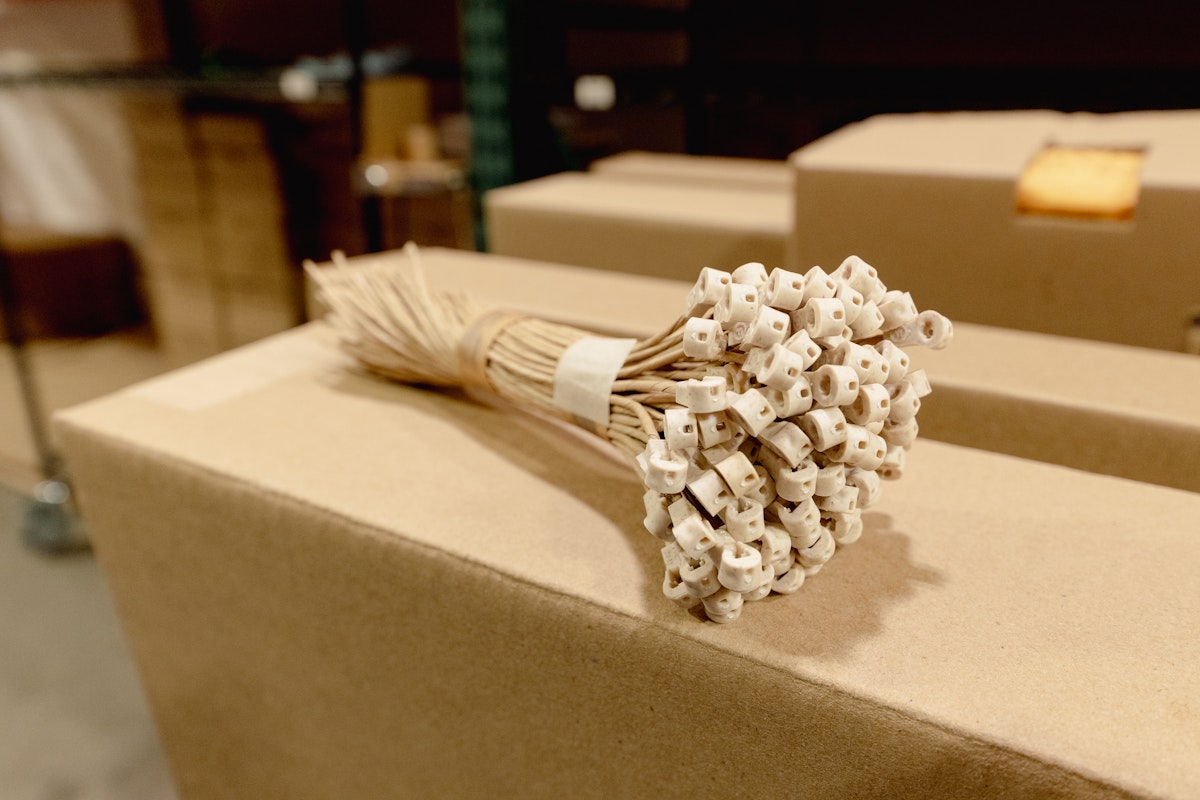
Ibis and Atlantic replaced them with FibreStrap, a fiber‑based alternative designed to perform like a zip tie without introducing plastic into the system. On its own, the change might seem minor. But used in the packaging for hundreds of bikes, this change adds up for a positive impact and a clear signal of environmental responsibility.
When a mechanic opens an Ibis box and sees fiber‑based materials instead of plastic, the message is immediate: Ibis cares.
Designed for the People Who Open the Box
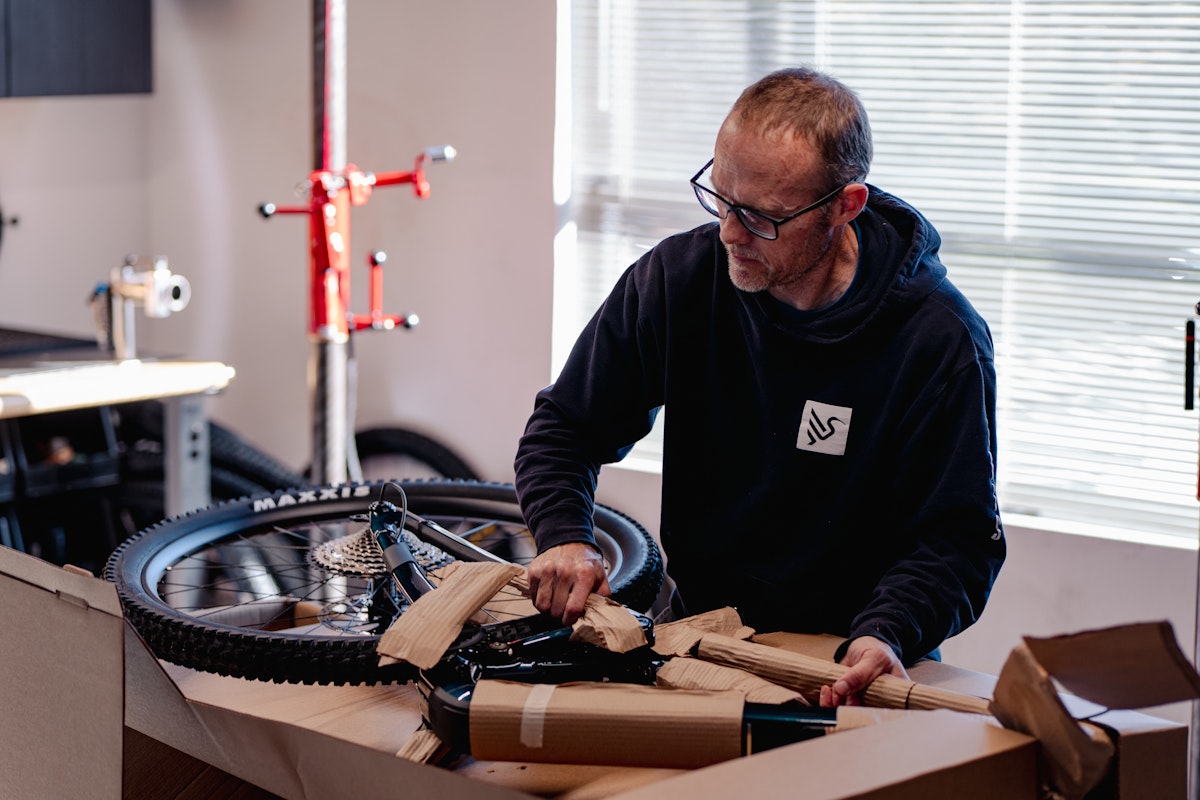
One of the most overlooked aspects of packaging is how the recipient interacts with it most. For bikes, it’s not always the end rider — often it’s the shop mechanic.
Every decision in the new Ibis packaging system was made with that experience in mind:
- Components grouped in the order they’re needed
- Clear organization that mirrors the assembly process
- Fewer loose parts
- Less cleanup
- Nearly everything recyclable at the curb
The result is a faster, calmer unboxing experience and a shop floor that isn’t buried in plastic at the end of the day.
As Ibis puts it, packaging is nonverbal communication. If you can make someone’s job easier without saying a word, you’re doing something right.
Sustainability That Evolves
Like the bikes themselves, the packaging wasn’t treated as “finished” once it launched.
Feedback from dealers led to small but meaningful iterations — reinforced handholds for shipping durability, subtle structural adjustments, and continuous refinements as real‑world conditions revealed new insights. Atlantic’s ability to make running changes quickly meant improvements didn’t stall behind long production cycles.
That mindset mirrors how Ibis designs bikes: launch strong, listen closely, and keep improving.
Leading by Example
This project wasn’t about creating a one‑off sustainability story. It was about proving that sustainable packaging can be practical, scalable, and financially viable — even for complex, high‑value products.
For Ibis, the new packaging system finally matches the values embedded in everything else they do. For Atlantic Packaging, it’s another example of how thoughtful design, material innovation, and true partnership can redefine what “standard” looks like.
And for the industry at large, it’s a reminder that progress doesn’t require perfection but commitment, collaboration, and the willingness to rethink old habits.
Because when the way we ship products aligns with why we make them, everyone wins, including the places we ride.