
Two days. Ten sessions. One defining question: How do we move from promising ideas to meaningful change at scale?
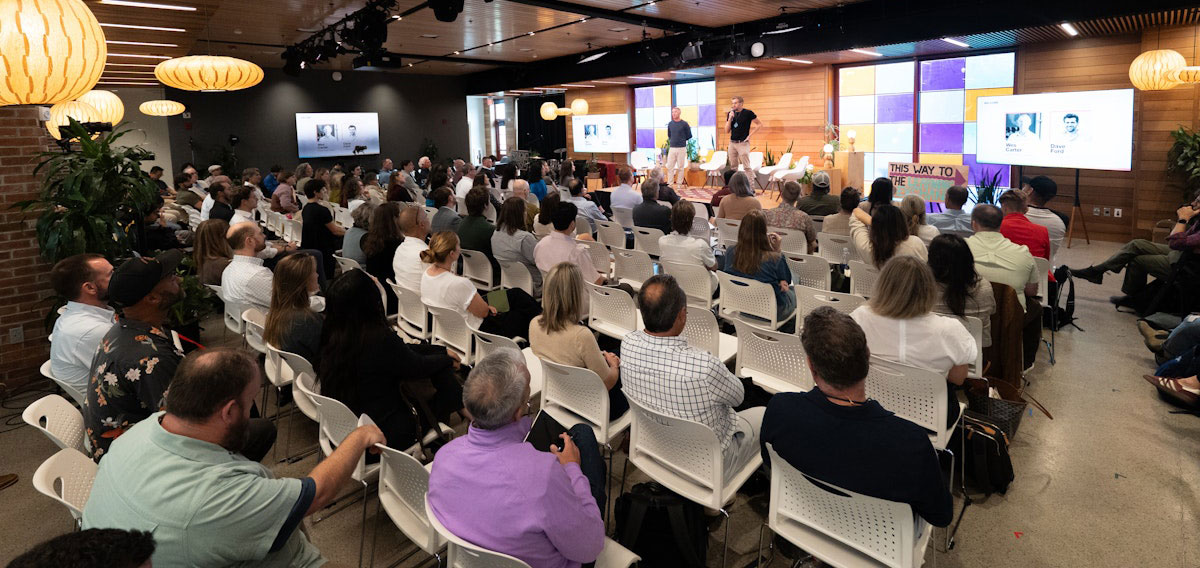
Packaging Matters 2026 brought together 100 packaging professionals, brand leaders, material innovators, policy architects, and investors for two days of candid conversation and collaboration around what it takes to move from vision to practice.
Through working sessions, case studies, and cross-disciplinary discussions, participants explored the real-world challenges of operationalizing sustainability, navigating evolving policy, closing material loops, scaling innovation, and delivering measurable value. Together, the group examined what’s working, wrestled with what still stands in the way, and shared practical ideas for turning ambitious goals into meaningful progress.

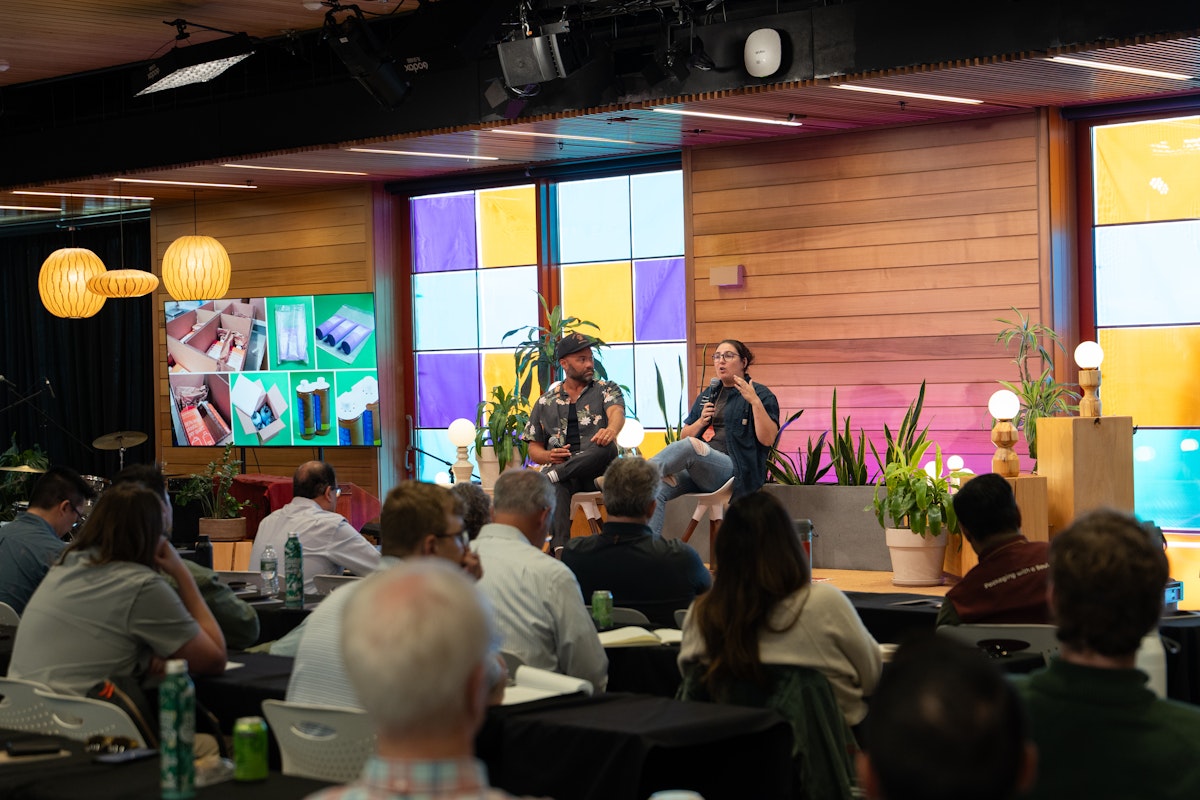

Day 1: Scaling Change Through Partnership, Policy, and Innovation
What I Wish You Knew: Brands and Legislators on EPR
This candid panel brought together legislators and brand leaders to discuss what each side wishes the other understood about Extended Producer Responsibility. Policymakers shared the community and waste management challenges that inspired EPR legislation, while brands highlighted the complexity of implementing new requirements across long product development cycles and multiple reporting frameworks. The conversation underscored the importance of harmonization, collaboration, and practical implementation timelines as EPR continues to expand across the United States.
Brand voices represented were Allison Lin, Global VP of Healthy Planet and Chief Circularity Officer from Mars; Jennifer Patrick, Global Brand & Packaging Creative Director from Patagonia; and Mitch Rovito, Packaging Lead at Burton. Legislator voices represented were Senator Malcolm Augustine, Maryland, author of Maryland’s EPR bill; Representative Sydney Jordan, Minnesota, author of the EPR bill that passed there; and Representative Michelle Ciccolo, Massachusetts, exploring circular policies, including bottle bills.
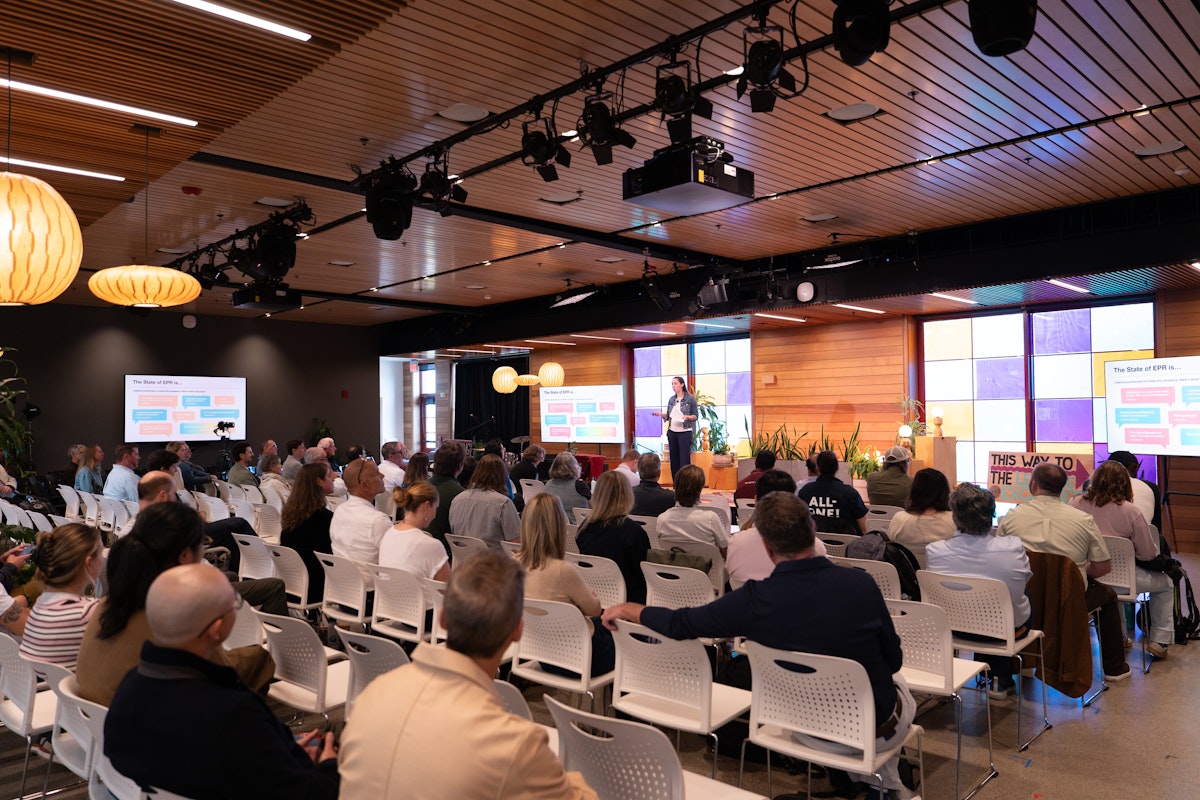
EPR—State of the Union
As EPR programs move from policy discussions into active compliance, this session led by Caroline DeLoach, Sustainability Director at Atlantic Packaging, provided a practical look at the current landscape. Topics included reporting challenges, data quality issues, state-by-state regulatory differences, emerging fee structures, and evolving guidance from producer responsibility organizations. The discussion emphasized the importance of source reduction, recycled content integration, and strong data management as companies prepare for the next phase of packaging compliance.
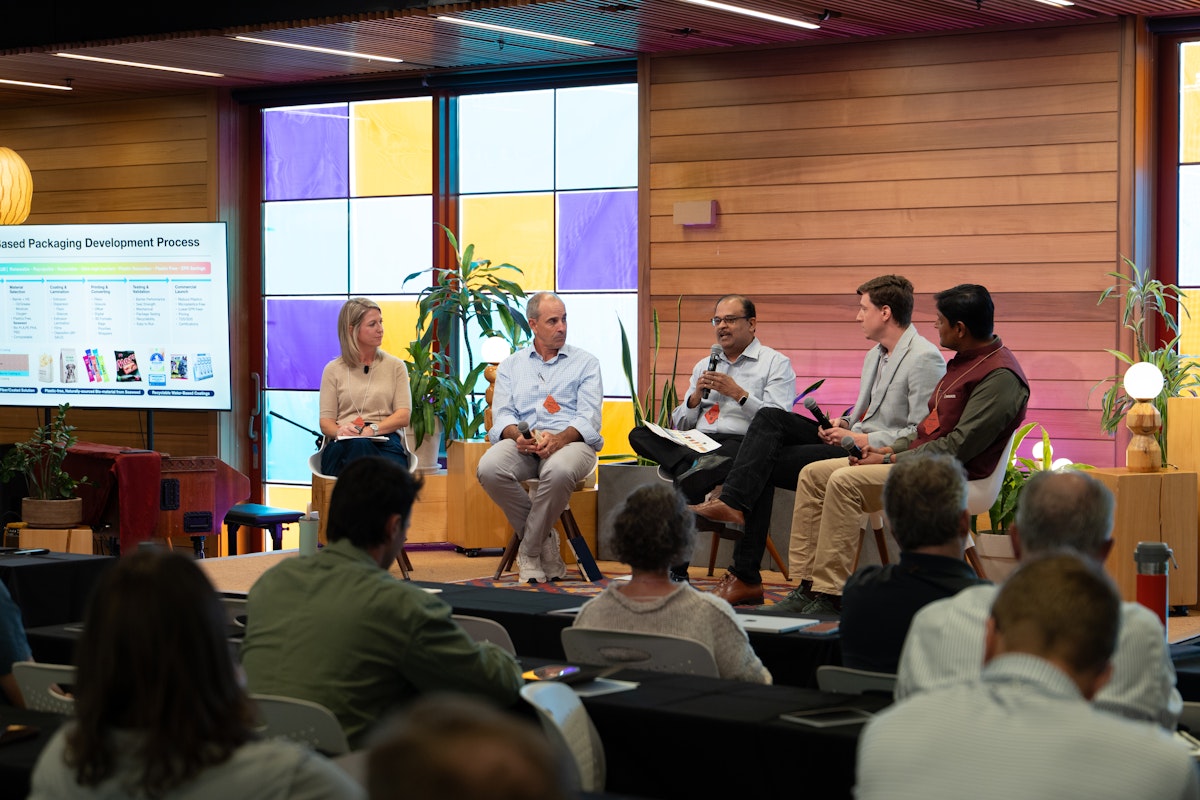
Fiber-Based Packaging Solutions: From Concept to Scale
Led by Allison Scales, VP of Printing and Converting at Atlantic Packaging, panelists including Adam Carter, Senior Vice President, Paperboard Sales at SmurfitWestrock, Charlie Troncone, Senior Packaging Engineer at Edgewell, N.S. Ramesh, Technical Director of Performance Fiber Solutions at Atlantic Packaging, and Ved Krisna, CEO at Pakka, shared real-world examples of fiber-based packaging innovations across multiple industries, from club store multipacks and food service packaging to flexible packaging and consumer products. The panel explored the technical, operational, and organizational challenges involved in replacing plastic with fiber solutions while emphasizing that successful innovation starts with solving for the application rather than simply substituting materials. A recurring theme was that meaningful progress requires long-term commitment from brands, retailers, and packaging suppliers alike.
Everything You Ever Wanted to Know About SIPP Testing (But Were Afraid to Ask)
Jason Jackson (JJ) of Atlantic Packaging and Jesse Franco of Dr. Bronner’s offered an inside look at their partnership using Amazon’s Ships in Product Packaging (SIPP) program as a platform for packaging innovation. The session highlighted how testing, certification, and close collaboration are helping bring new materials such as seaweed-based films, compostable cushioning, and fiber-based connectors into commercial use. JJ and Jesse also shared lessons on balancing product protection, operational efficiency, sustainability goals, and emerging EPR requirements.
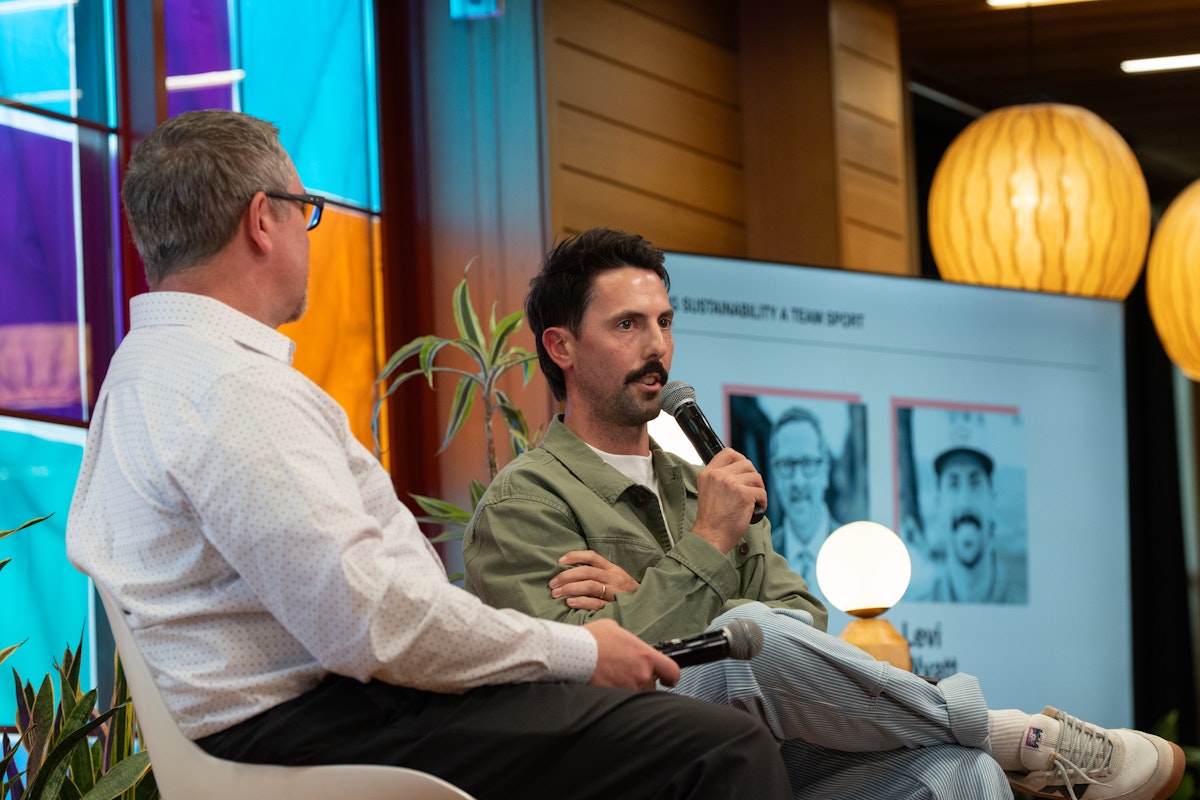
Making Sustainability a Team Sport
Levi Wyatt of Yakima Chief Hops joined Cory Connors, host of the Sustainable Packaging Podcast, in a discussion about how sustainability initiatives can create measurable business value while driving positive environmental impact. From securing grants for emissions-reduction projects to building a sustainability culture across a global organization, the discussion offered practical lessons on leadership, stakeholder engagement, and the importance of combining purpose with results. They also explored one of the industry’s toughest packaging challenges: finding alternatives to high-performance flexible materials.
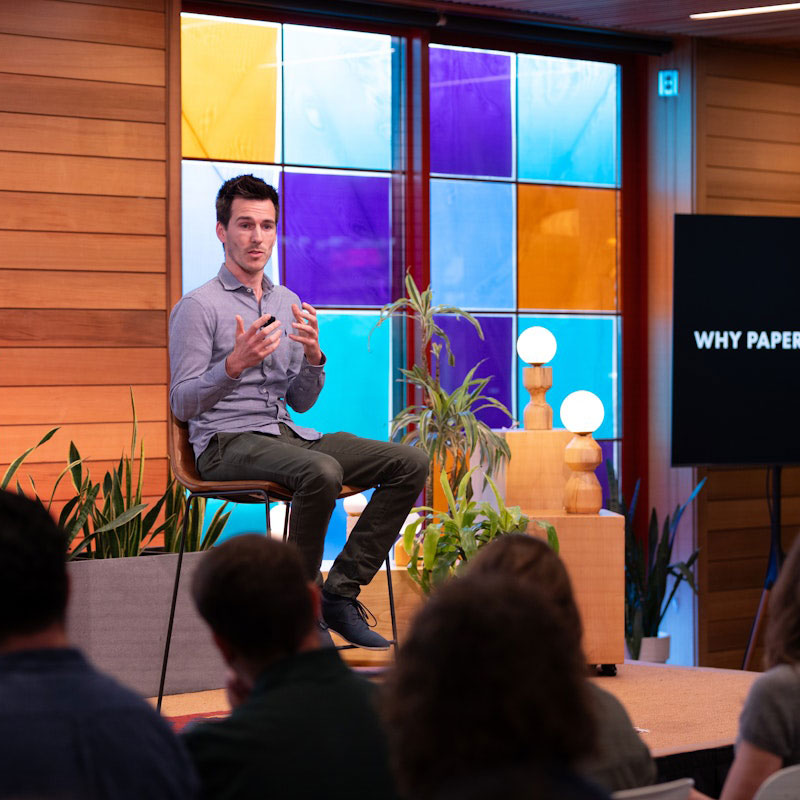
WTF is The PaperFlex Consortium?
Sander Defruyt, Strategy Lead, Plastics at the Ellen MacArthur Foundation kicked us off with a WTF session and a major announcement about the launch of the PaperFlex Consortium. Congratulations to founding members Colgate-Palmolive, Mars, Nestlé, PepsiCo, Procter & Gamble, and Unilever. Convened by the Ellen MacArthur Foundation and powered by (RE)SET – this Consortium is launching to accelerate recyclable and biodegradable paper-based flexible packaging innovation.
The Egg Drop Challenge
We reprised the Egg Drop Challenge as a fan favorite this year, inviting participants to design protective packaging for an egg using sustainable materials. Teams tested their creativity and engineering skills by dropping their packages from a six-foot ladder, proving that effective protection isn’t about using more material, but using materials thoughtfully.
Day 2: Accelerating Change Through Technology, Standards, and Storytelling
First Look: Packaging Innovation in Action
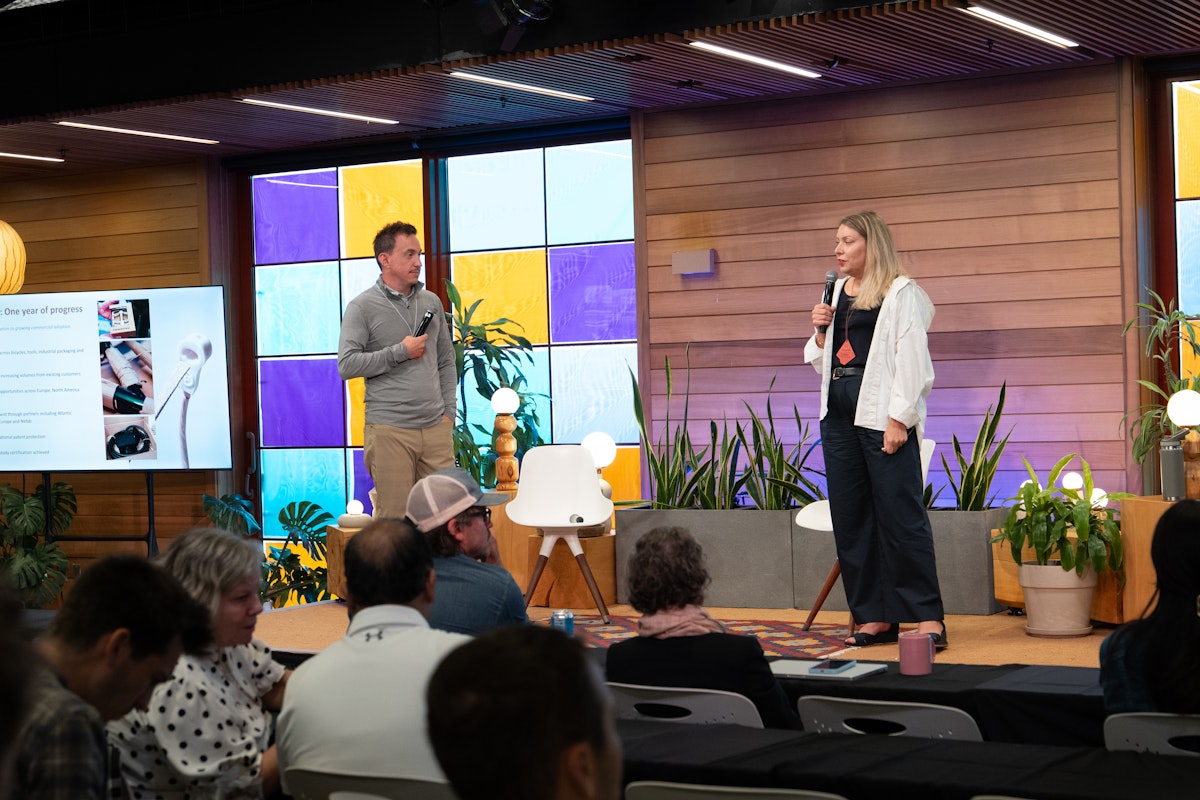
Led by Kyle Pischel, Head of Atlantic Packaging’s Packaging Solution Center, this session kicked off Day 2 by showcasing a range of emerging sustainable packaging technologies and real-world case studies. From closed-loop recycled-content stretch film and Sway seaweed-based polybags to FibreStrap fiber-based cable ties – with a special appearance from Sigrid Svedberg of FibreStrap – Cirkla high barrier fiber trays – with insight from David Woods, VP of Sales at Cirkla – and PaperForm fiber blister packs, Kyle shared lessons learned from moving innovative materials from concept to commercialization. The First Look session reinforced that solving packaging waste will require multiple solutions tailored to specific applications rather than a single material replacement strategy.
Launch of the Packaging Standards Compass
See Change Sessions and PACKAGING MATTERS was proud to host the launch of the Packaging Standards Compass, a collaborative effort aimed at addressing growing conflicts between retailer packaging requirements and state EPR regulations. Led by Dave Ford of Circle (Circular Leadership Network) and Victoria Norman of SCS Standards and joined by Tom Pollock of GreenBlue, this convening group officially launched this initative, discussing the challenges brands face when navigating multiple, often conflicting standards. They also explored opportunities for greater alignment around terminology, reporting, and packaging design requirements. The initiative will bring together stakeholders from across the value chain to identify practical paths toward harmonization.
AI in the Packaging Supply Chain
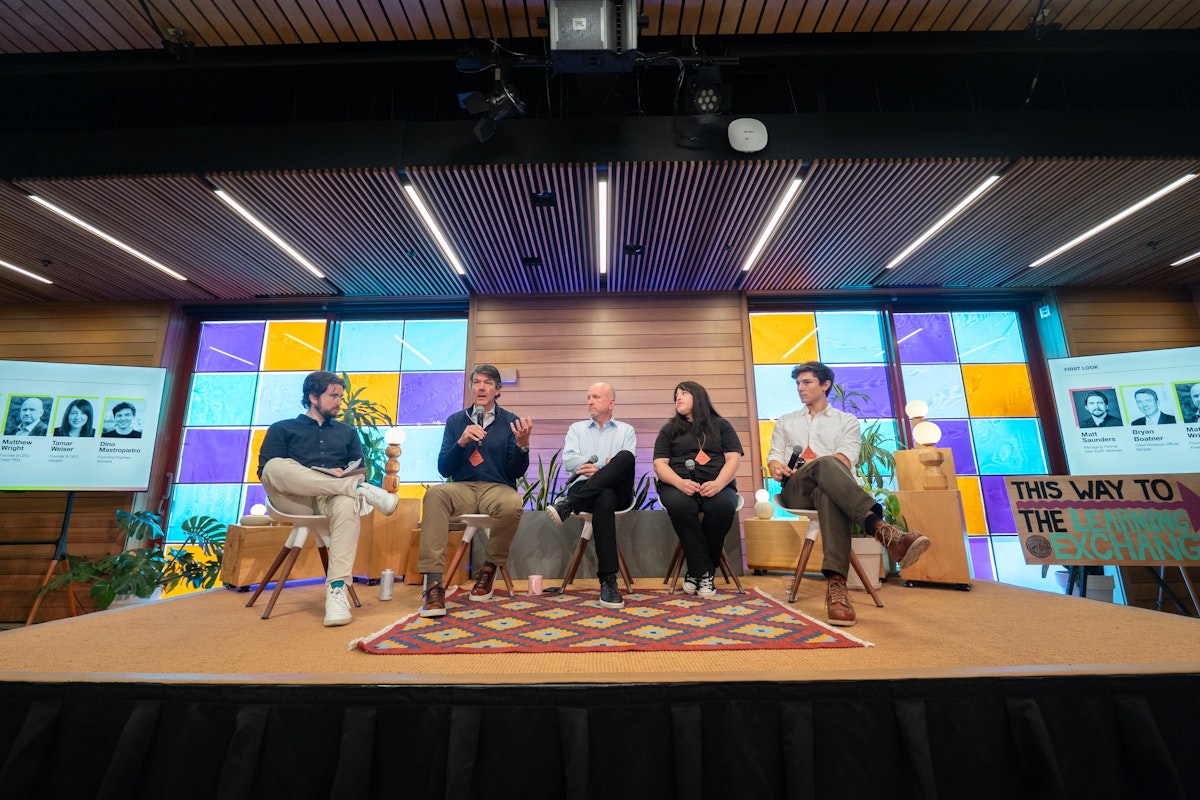
Led by Matt Saunders, Managing Partner at New Earth Ventures, industry experts including Bryan Boatner, Chief Revenue Officer at Ranpak, Matthew Wright, Founder and CEO of Forest-PKG, Tamar Weiser, Founder and CEO of Hexight, and Dino Mastropietro, Founding Team at Somana, explored how artificial intelligence (AI) is reshaping packaging operations, supply chain planning, manufacturing, and data management. The discussion examined practical applications of AI, the importance of defining clear business outcomes, and the role of quality data in successful implementation. The panelists emphasized that AI is not an end goal itself but a tool that can help organizations make faster, smarter decisions while creating new opportunities for efficiency and innovation across the packaging value chain.
Advanced Recycling Technologies — Unpackaging the Technology, Mass Balance, and Recycled Content
This educational session provided an overview of advanced recycling technologies and the accounting systems used to track recycled content through complex supply chains. Speakers John Hite, Sr. Director of Public Policy and Government Affairs at The Recycling Partnership and Anja Brandon, Ph.D., Director of Plastics Policy at the Ocean Conservancy explored the differences between purification, depolymerization, pyrolysis, and gasification technologies, while also unpacking the growing debate around mass balance methodologies and recycled content claims. As policies and market expectations evolve, the discussion highlighted the importance of transparency, technical accuracy, and informed decision-making.
EXPERIENCE: The Power of Story
To wrap up our two-day programming at SeeChange, Gagan Levy of GURU led an interactive workshop to examine how storytelling can inspire engagement and action around sustainability, particularly among younger audiences. Drawing on research into Gen Z attitudes toward environmental issues, the session explored how culture-centered design can help organizations move people from anxiety and apathy toward agency and participation. Through hands-on exercises and discussion,we all learned how powerful narratives can shape perceptions, influence behavior, and accelerate positive change.
A huge thank you to everyone who came and participated in the PACKAGING MATTERS track at See Change Sessions 2026!